Lower back pain and sciatica are two of the most common reasons patients visit our clinic in G-10, Islamabad. Long hours at a desk, driving and lifting all take their toll. Here is how hijama and cupping are used to help.
How can cupping help with pain?
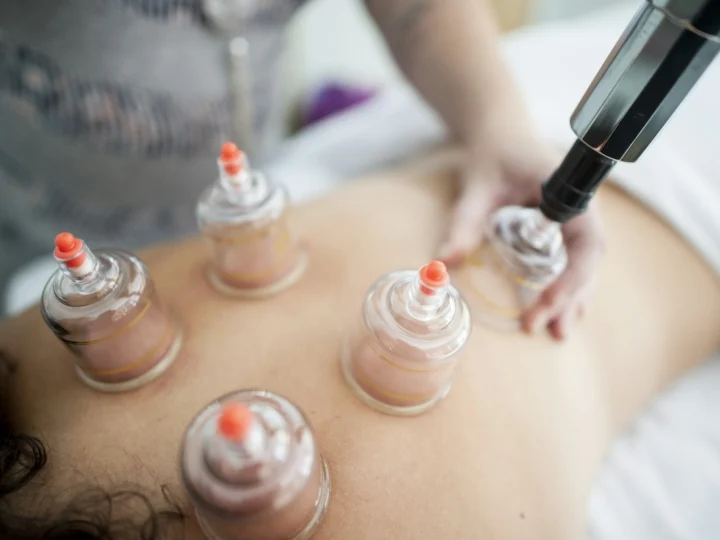
Cupping creates suction that lifts the skin and the tissue underneath. Many patients feel this relaxes tight muscles and eases stiffness. Wet cupping (hijama) adds tiny, superficial cuts so that a small amount of blood is drawn out. Traditionally, this is believed to remove stagnant blood from the painful area.
Research on cupping for back and neck pain is growing, and some studies report short-term pain relief. But results vary between people, and cupping should be seen as complementary care, not a cure.
Which points are treated?
For lower back pain, cups are usually placed on both sides of the lower spine and around the hips. For sciatica, where pain travels from the lower back down the leg, we also treat points along the buttock and the back of the thigh, following the path of the pain.
Our sciatica therapy
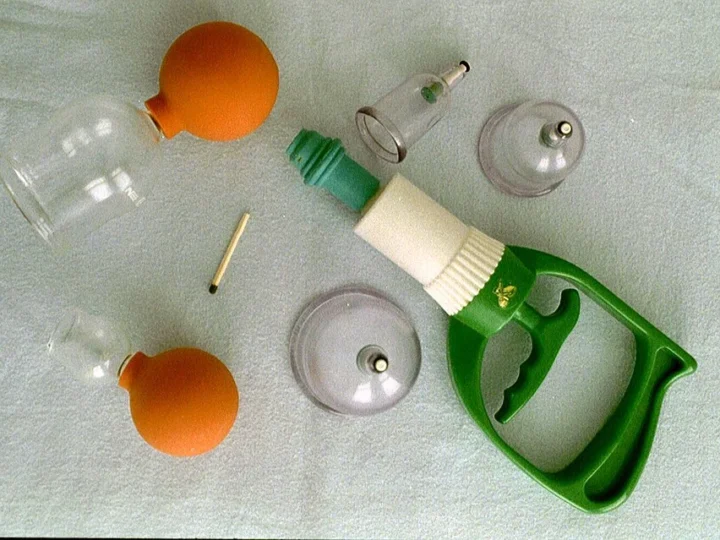
At Al Hateem Hijama & Ruqyah Centre, our Sciatica Therapy combines hijama with fire cupping on the lower back and leg. Fire cupping uses warmth and suction to relax deep muscles. The full session is Rs 6,900.
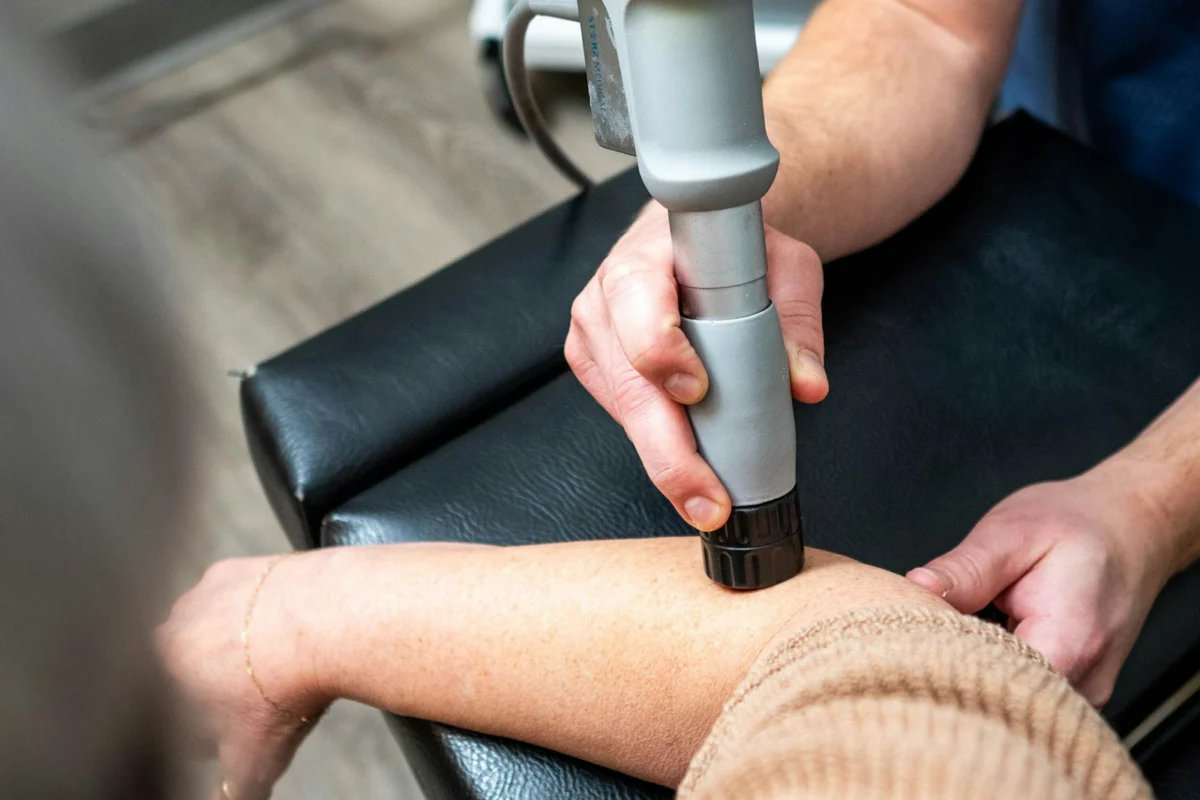
For muscular back pain without nerve pain, many patients choose Percussion Therapy for Back Pain (15 minutes, Rs 2,500) or a General Body Hijama session. See all options on our treatments page.
How many sessions will I need?
Some patients feel lighter after one session. For long-standing pain, we usually suggest a few sessions spaced two to four weeks apart, and then regular maintenance sessions. We will give you an honest plan at your consultation.
When to see a doctor first
Please see a doctor before hijama if you have any of these:
- Back pain after a fall or injury
- Numbness in the groin area, or loss of bladder or bowel control
- Weakness in a leg that is getting worse
- Fever, or unexplained weight loss with back pain
These can be signs of a condition that needs urgent medical care.
Tips to protect your back
- Take a short walk every 45 to 60 minutes if you sit for long periods.
- Lift with your knees, not your back.
- Keep active with gentle stretching and walking.
- Sleep on a supportive mattress.
If back pain is holding you back, book a consultation and treatment at our clinic, or ask for a home visit anywhere in Islamabad and Rawalpindi.
This article is for general information. Hijama is complementary care and does not replace advice from your doctor.