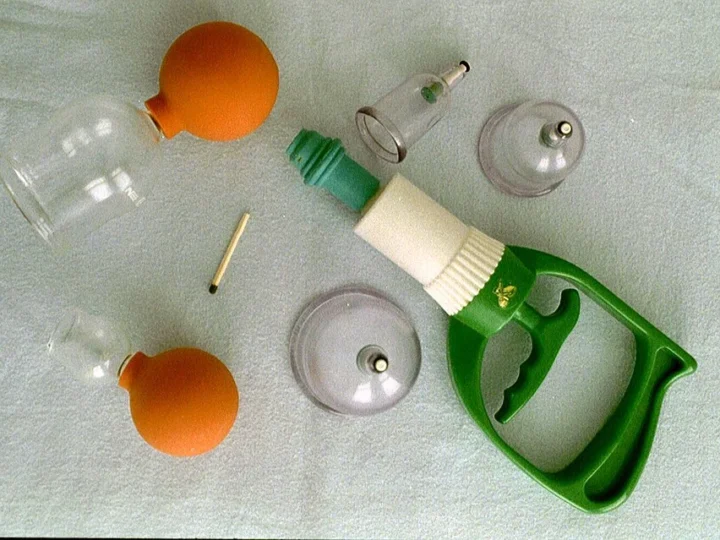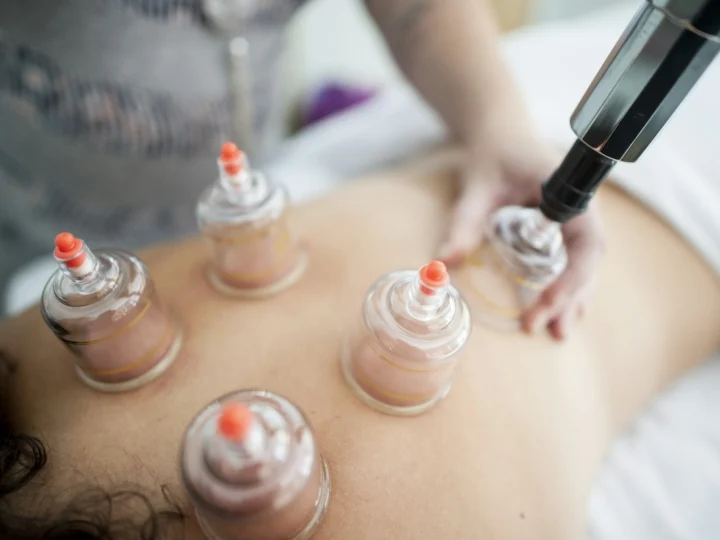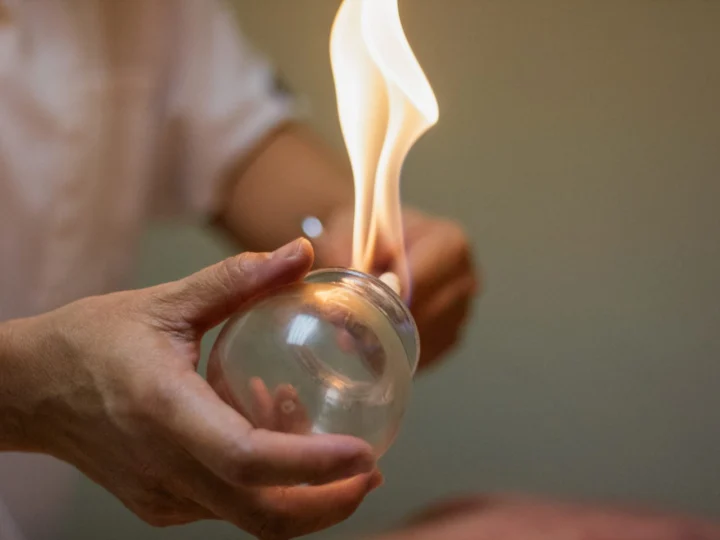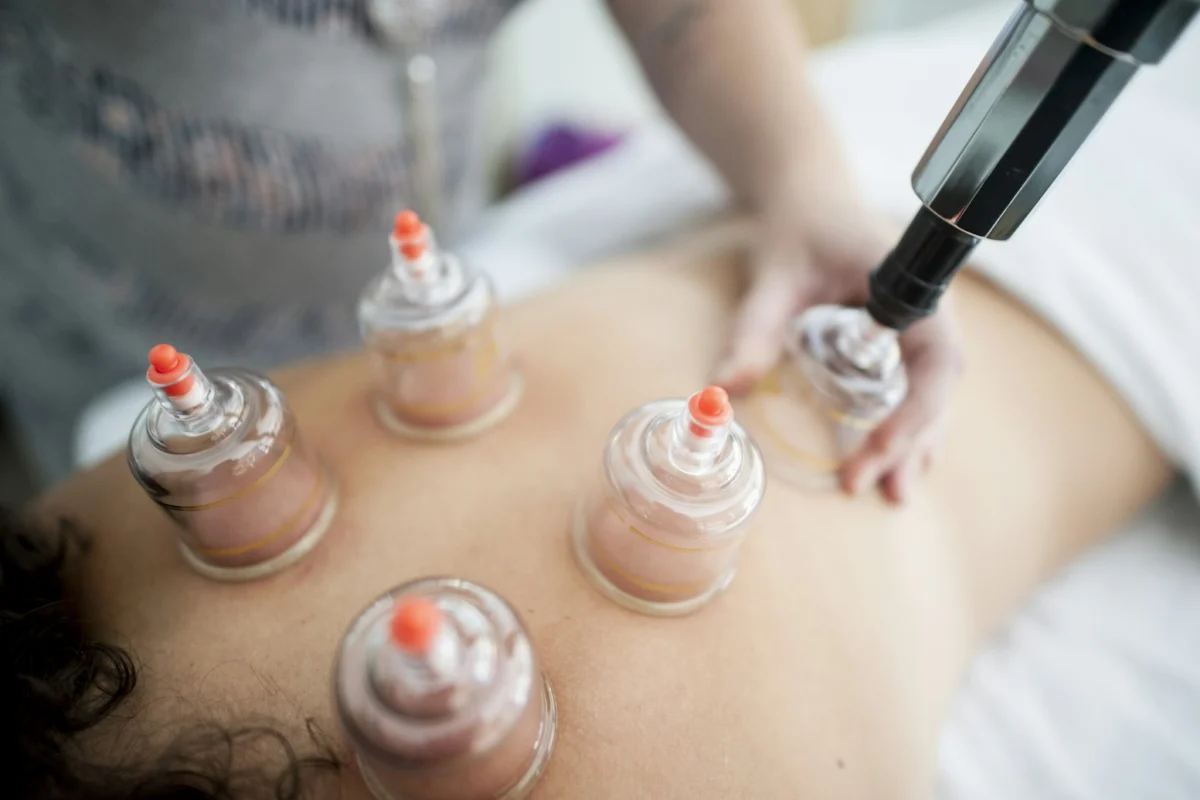
Many patients ask us: “Does the World Health Organization (WHO) approve hijama?” It is a fair question, and the honest answer is more useful than a slogan. In short, WHO does not approve or ban hijama. Instead, WHO asks countries to make traditional therapies safe, well regulated, evidence-based and delivered by qualified practitioners. Here is what that means for you.
Does WHO approve hijama?
No. WHO has not issued an approval or a recommendation for hijama (wet cupping) or dry cupping. You may see clinics advertise “WHO approved hijama”, but this is not accurate, and WHO does not certify individual clinics. Be careful with any clinic that makes this claim.
At the same time, WHO has not banned or warned against cupping. Its work focuses on how traditional, complementary and integrative medicine (TCIM) should be practised safely.
WHO’s Global Traditional Medicine Strategy 2025–2034
In 2025, the World Health Assembly adopted WHO’s new Global Traditional Medicine Strategy for 2025 to 2034. It has four main aims:
- Strengthen the evidence for traditional therapies through research
- Ensure safety and regulation, so that patients are protected
- Integrate safe and effective therapies into health systems where appropriate
- Make the most of traditional medicine’s wider value for health and society
The strategy also stresses that traditional medicine should be provided by qualified practitioners and that integration must be based on evidence.
WHO’s 2026 paper on cupping therapy
In October 2026, the WHO Global Traditional Medicine Centre published a working paper titled Cupping therapy: descriptive synthesis of training. It looks at how cupping training is organised: training pathways, curriculum, skills, assessment, trainer qualifications, facilities and accreditation.
WHO describes this paper as a descriptive, non-normative reference. In simple words, it collects information to help regulators and educators. It does not set standards, and it does not say that cupping cures or treats any condition. Still, its focus on proper training sends a clear message: cupping should be done by trained hands.
Hijama and Unani medicine
In Unani medicine, hijama is one of the regimenal therapies (Ilaj bil Tadbeer). WHO has published benchmarks for the training and practice of Unani medicine, most recently in 2022. These set minimum standards for safety and quality of practice, including how regimenal therapies should be carried out safely. In Pakistan, Unani practitioners are registered and licensed by the National Council for Tibb (NCT).
What does the scientific evidence say?
Research on cupping is growing, and some studies report short-term relief for pain such as back and neck pain. But many medical organisations say the overall evidence is still limited, and more high-quality research is needed. That is why we describe hijama as complementary care: it may help many people feel better, but it works alongside your doctor’s treatment, not instead of it.
Hijama is also a Sunnah practice. The Prophet ﷺ had hijama himself and praised it, as recorded in Sahih al-Bukhari (5680, 5696). You can read these narrations on our Hadith of Hijama page.
How to choose a safe hijama clinic, in line with WHO’s principles
WHO’s focus on safety, regulation and qualified practitioners gives you a simple checklist:
- Registration: is the clinic registered with the health regulator (in Islamabad, the Islamabad Healthcare Regulatory Authority, IHRA)?
- Qualification: is the practitioner qualified and licensed (for example, by the NCT)?
- Hygiene: are cups and blades new and single-use for every patient?
- Waste disposal: is clinical waste collected by an approved service?
- Honesty: does the clinic avoid promising cures or fake “WHO approved” claims?
How Al Hateem Hijama & Ruqyah Centre follows these principles
WHO’s traditional medicine strategy puts safety, hygiene and qualified practitioners first, and Al Hateem Hijama & Ruqyah Centre follows the same principles:
- Registered healthcare establishment with IHRA
- Founder Tabeeb Muhammad Nadeem, licensed by the National Council for Tibb
- A new single-use kit for every patient: new cups and sealed sterile blades
- Clinical waste collected and safely disposed of by Envirocare
- Certified practitioners, including a female specialist for women
See our documents on the Licence & Certificates page.
Frequently asked questions
Is hijama recognised by WHO?
WHO recognises traditional and complementary medicine as an area that needs evidence, safety and regulation, and it has published a working paper on cupping training. But WHO has not approved or recommended hijama as a treatment.
Is it true that WHO certifies hijama clinics?
No. WHO does not certify individual clinics. In Pakistan, look for registration with the provincial or Islamabad healthcare regulator and a practitioner licence from the NCT.
Is hijama safe?
When it is done by a qualified practitioner with sterile, single-use equipment, and after a proper health check, hijama is generally well tolerated. Some people should see a doctor first, such as those who are pregnant, take blood thinners, or have anaemia or a bleeding disorder.
Can hijama replace my medicines?
No. Keep taking the medicines your doctor prescribed. Hijama is complementary care.
Want hijama done the safe and professional way? Book your appointment at our clinic in G-10 Markaz, Islamabad, or ask for a home visit.
This article is for general information. Hijama is complementary care and does not replace advice from your doctor.